Tying hair in a ponytail Left
Tying hair in a ponytail Right
Use the settings cog to adjust the video speed if needed.
Tying hair in a ponytail
There are two ways that you can use these videos:
- Use the video as a movement demonstration. Watch the video and see how the person in the video moves their hands to put their hair in a ponytail. Then practice putting your own hair in a ponytail, copying the actions in the video. Do it again, watch and copy as often as you need.
- Imagine yourself doing the action whilst watching it.Imagine that you are the person in the video. As you watch the video, try to imagine the feeling of moving your hands to put your hair in a ponytail. Then, practice putting your hair in a ponytail and copying the actions in the video. Do it again, watch while imagining the feeling, and copy as often as you need.
Top tips for top tips for tying hair in a ponytail:
As well as watching the videos, follow our top tips for tying hair in a ponytail:
- Brush or smooth your hair first. This will make it easier to gather all your hair together.
- Practise gathering your hair together before trying to add a hair tie.
- Try a larger, stretchier hair tie or a scrunchy.
Note: These movement demonstration videos have been designed to help children with Developmental Coordination Disorder (DCD; dyspraxia) learn how to put their hair in a ponytail successfully. The videos show a movement demonstration for tying hair in a ponytail, performed by a typically developing child model and recorded from a third-person viewpoint. A qualified occupational therapist instructed the child model how to perform the movement demonstration to ensure that an appropriate technique was demonstrated. The videos are free for use by dyspraxic people, parents, occupational therapists, physiotherapists, teachers, or anybody else who would find them useful for supporting the learning of self-care skills in children with dyspraxia/DCD. Tying hair in a ponytail Dyspraxia Movement Skills.
Tying hair in a ponytail Dyspraxia Movement Skills
#Dyspraxia #DCD #Tying hair in a ponytail #MovementSkills
Other videos
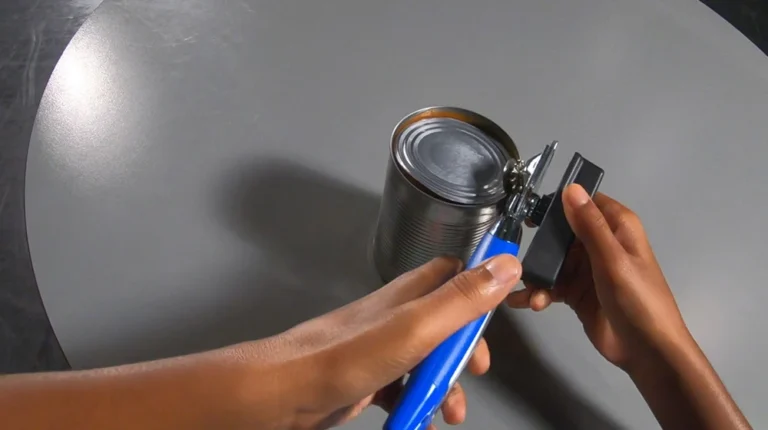
- Using a tin opener
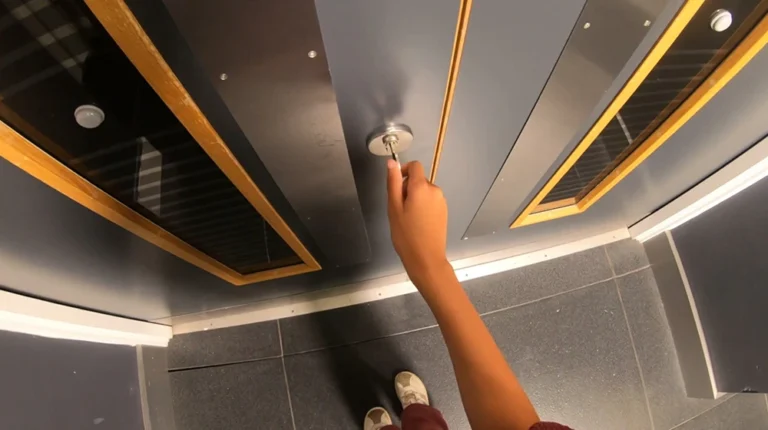
- Unlocking a door
- Tying hair in a ponytail
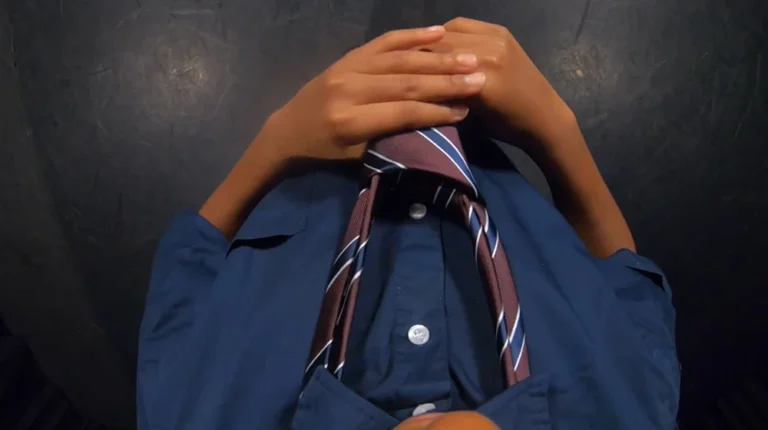
- Tying a necktie
- Removing trousers
- Putting on trousers
- Putting on tights
- Fitting a sanitary pad into underwear
- Fastening and unfastening a trouser clasp
- Peeling a banana
- Closing an envelope
- Opening an envelope
- Washing and drying a plate
- Putting on Velcro shoes
- Peeling vegetables
- Fixing inside-out clothing