Locking a door Left
Locking a door Right
Use the settings cog to adjust the video speed if needed.
Locking a door
There are two ways that you can use these videos:
- Use the video as a movement demonstration. Watch the video and see how the person in the video moves their hands to lock the door. Then practice locking your door, copying the actions in the video. Do it again, watch and copy as often as you need.
- Imagine yourself doing the action whilst watching it. Imagine that you are the person in the video. As you watch the video, try to imagine the feeling of moving your hands to lock the door. Then, practice locking your door and copying the actions in the video. Do it again, watch while imagining the feeling, and copy as often as you need.
Top tips for locking a door:
As well as watching the videos, follow our top tips for locking a door:
- Hold the key firmly between your thumb and first finger. Check that it’s the right way up.
- Try holding the door or handle steady with one hand while you turn the key with the other.
- If gripping is difficult, try a larger key grip or key turner.
- Try the same technique on different types of locks.
Note: These movement demonstration videos have been designed to help children with Developmental Coordination Disorder (DCD; dyspraxia) learn how to lock a door successfully. The videos show a movement demonstration for locking a door, performed by a typically developing child model and recorded from a first-person viewpoint. A qualified occupational therapist instructed the child model how to perform the movement demonstration to ensure that an appropriate technique was demonstrated. The videos are free for use by dyspraxic people, parents, occupational therapists, physiotherapists, teachers, or anybody else who would find them useful for supporting the learning of independence skills in children with dyspraxia/DCD. Locking a door Dyspraxia Movement Skills.
Using a key Dyspraxia Movement Skills
#Dyspraxia #DCD #Using a key #MovementSkills
Other videos
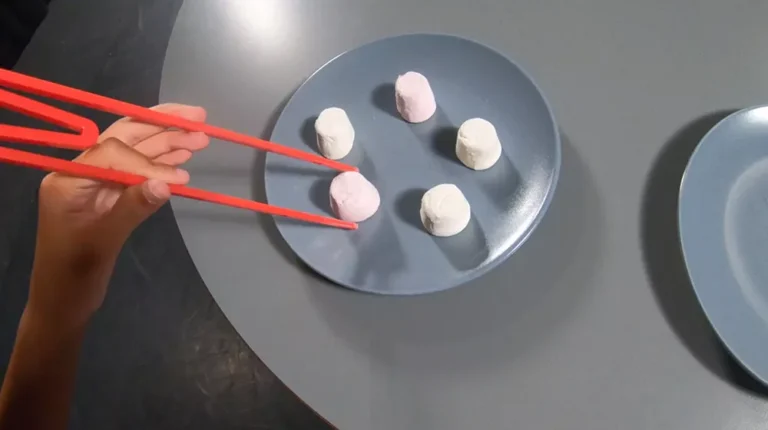
- Using chopsticks
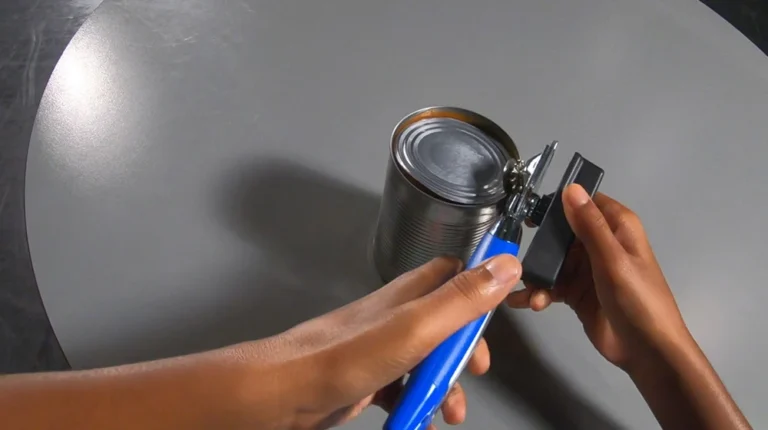
- Using a tin opener
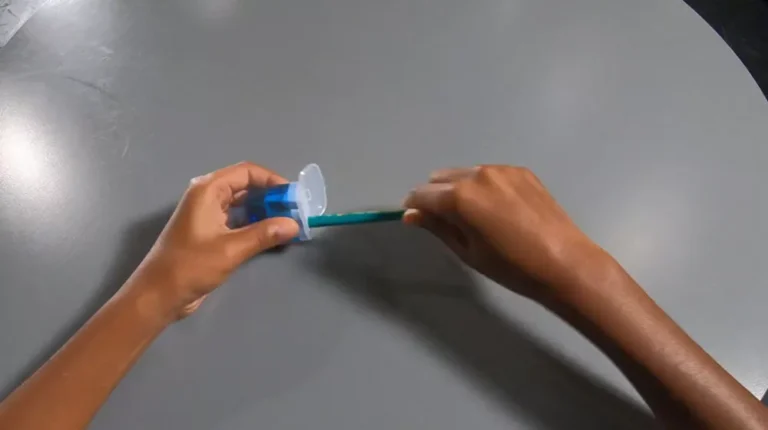
- Using a pencil sharpener
- Unlocking a door
- Tying hair in a ponytail
- Tying a necktie
- Removing trousers
- Putting on trousers
- Putting on tights
- Putting on gloves
- Putting on and removing a wristwatch
- Pairing socks
- Packing a school bag
- Opening a canned drink
- Locking a door
- Hanging clothes