Watch me do it
Video library
Our research has shown that watching video demonstrations recorded from a first-person viewpoint can help dyspraxic children learn everyday movement skills. Read More
Dressing
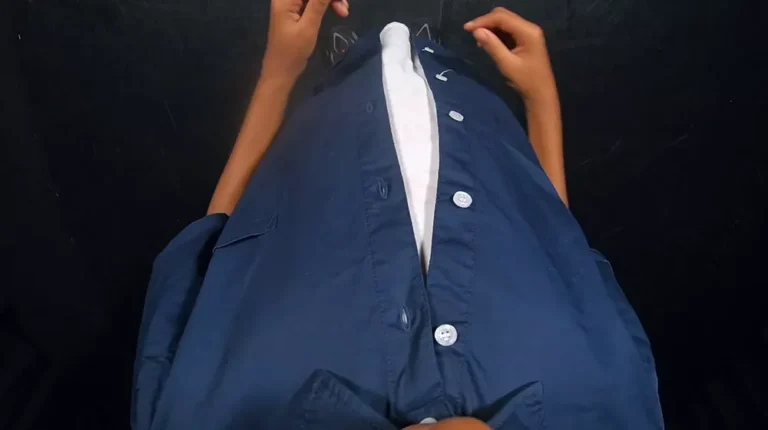
Buttoning a shirt
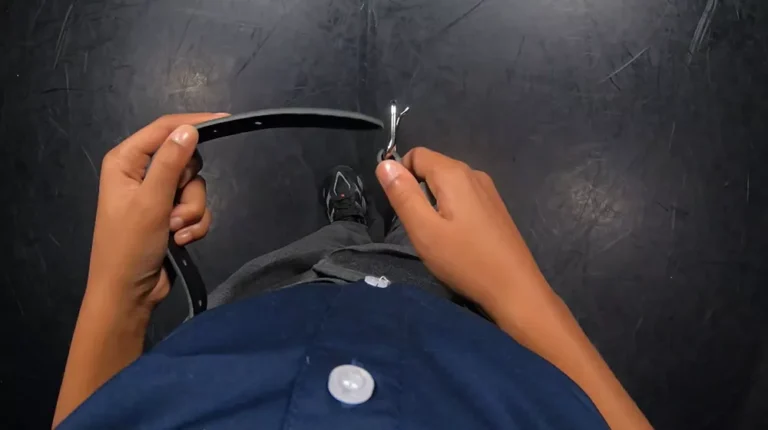
Fastening and unfastening a belt
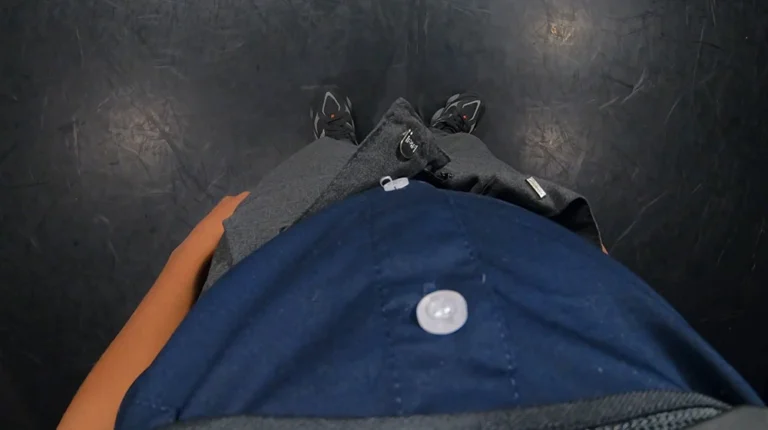
Fastening and unfastening a trouser clasp

Fixing inside-out clothing
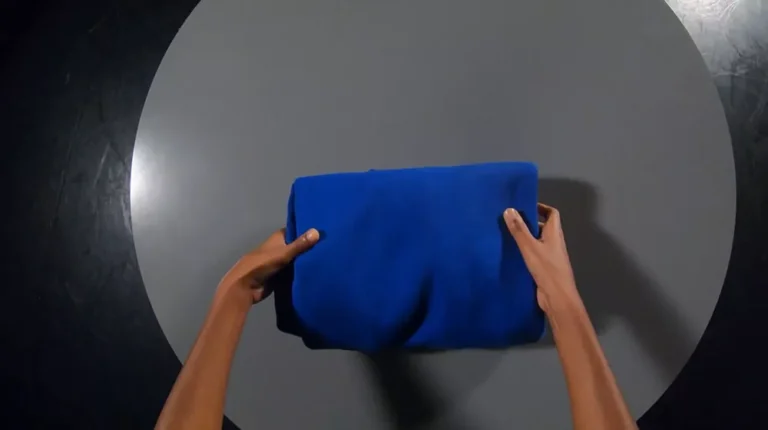
Folding a jumper
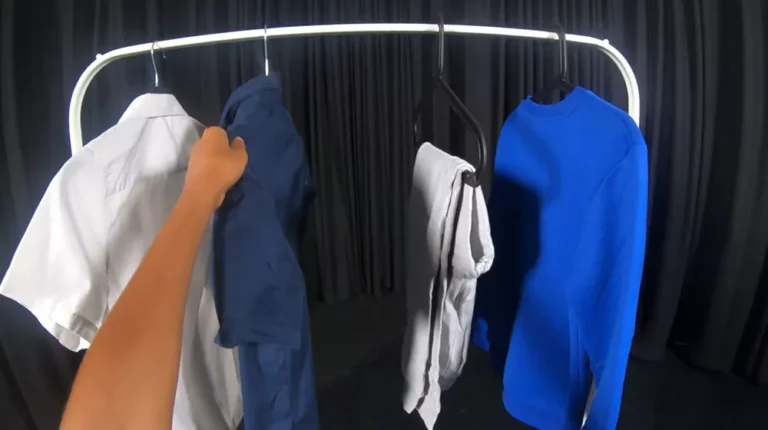
Hanging clothes
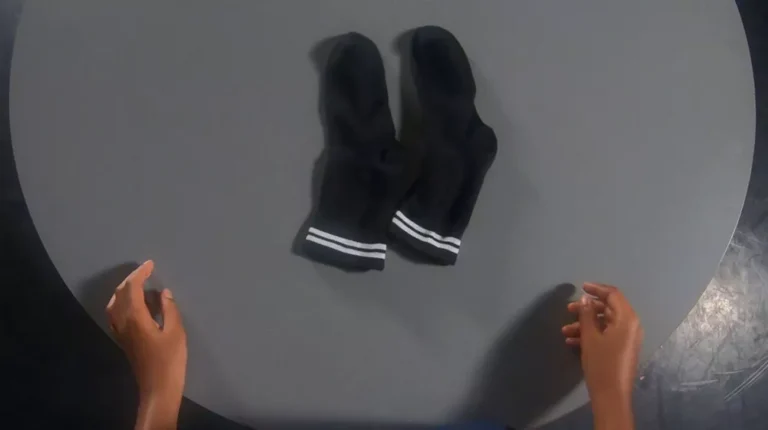
Pairing socks
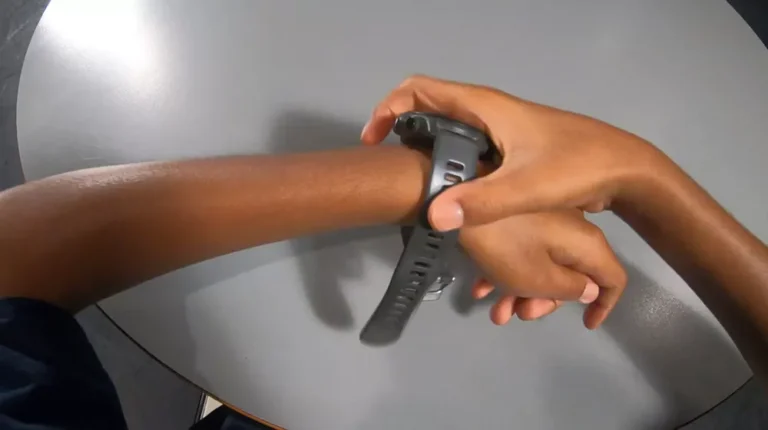
Putting on and removing a wristwatch
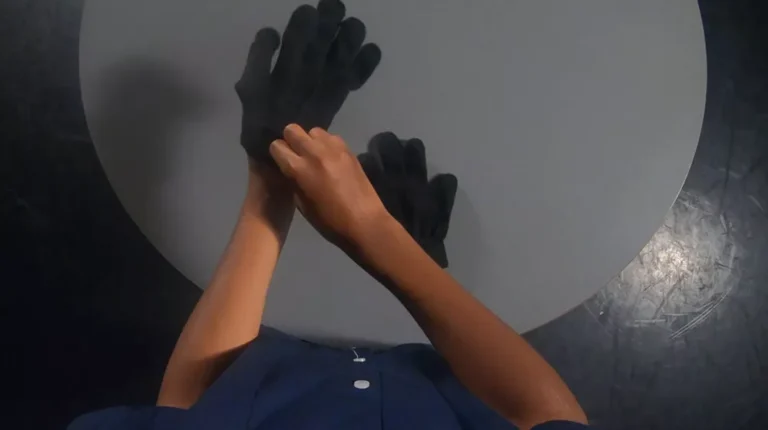
Putting on gloves

Putting on socks
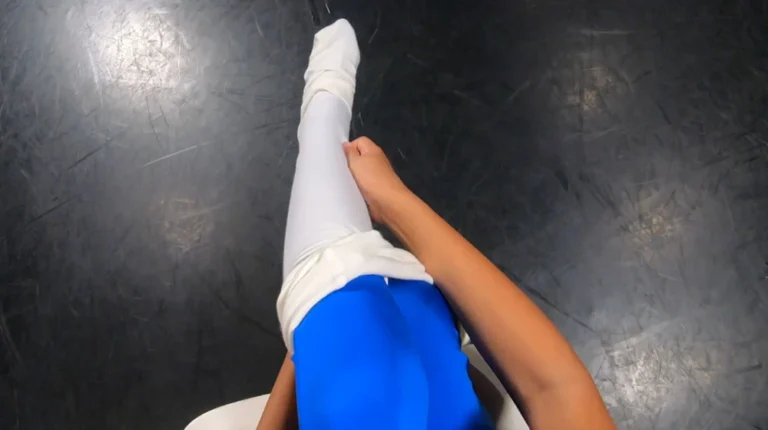
Putting on tights
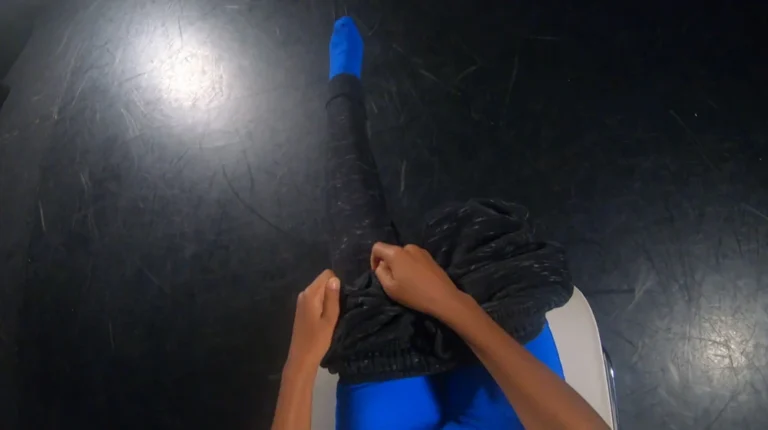
Putting on trousers

Putting on Velcro shoes
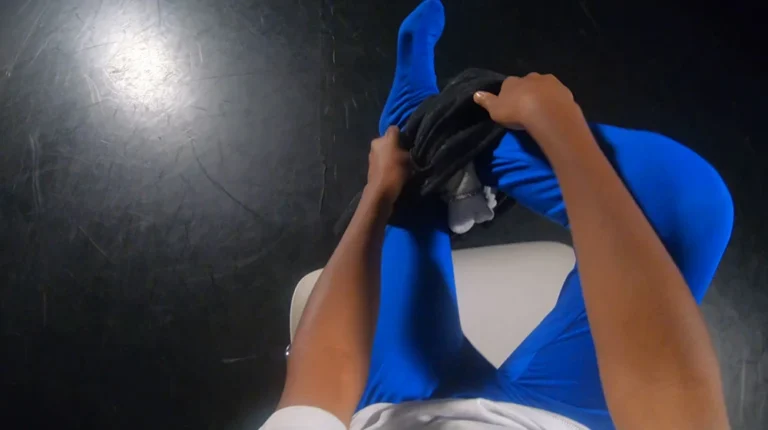
Removing trousers

Shoelace tying one

Shoelace tying two
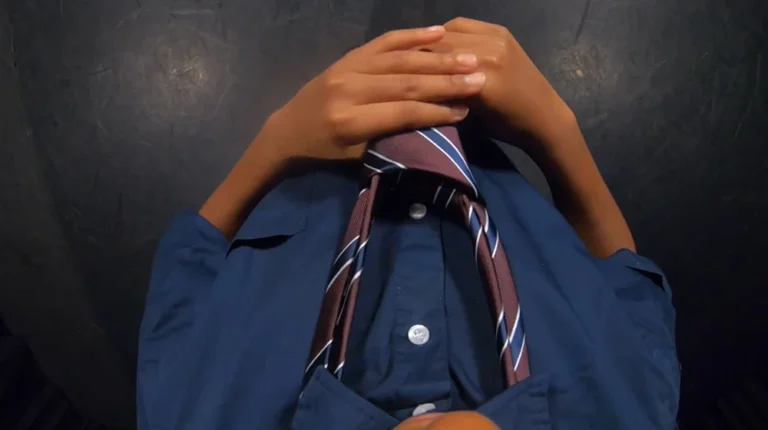
Tying a necktie

Zipping up a hoodie
Food and Drink

Chopping vegetables

Closing a bottle
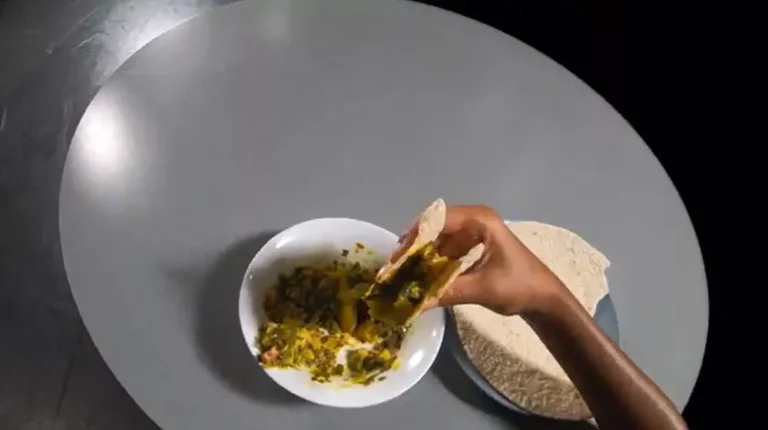
Eating with a chapati

Opening a bottle
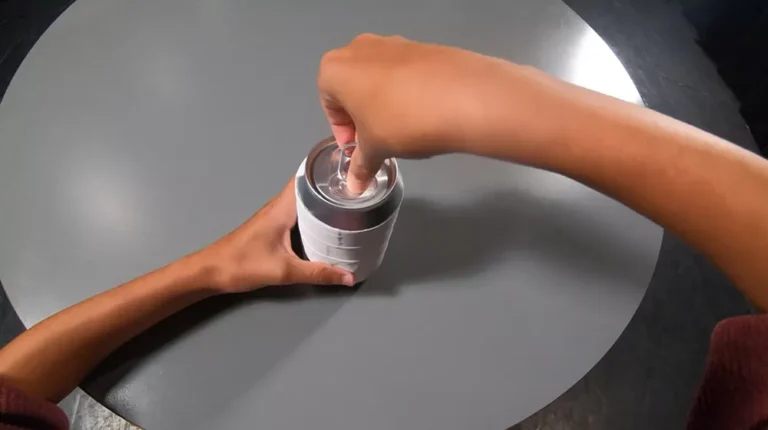
Opening a canned drink

Opening a jar

Opening a packet of crisps

Opening a packet of Dunkers

Opening a packet of ham

Peeling a banana

Peeling vegetables

Pouring a glass of water

Spreading jam on toast
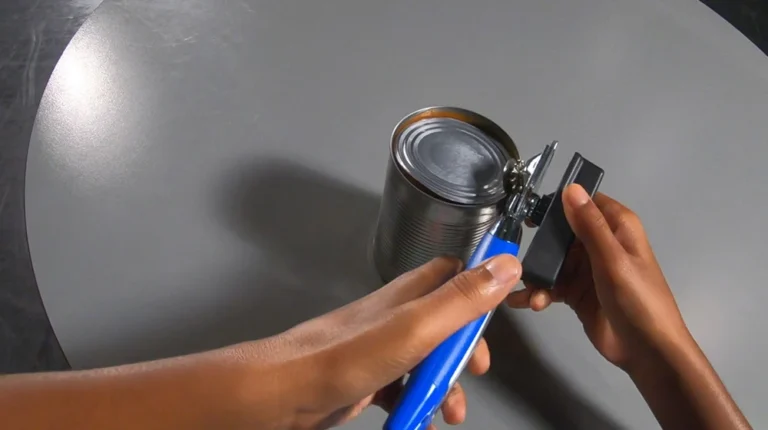
Using a tin opener
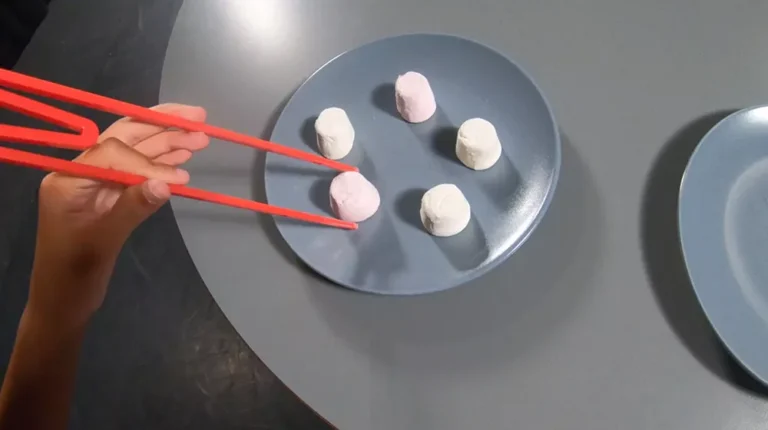
Using chopsticks

Using cutlery

Washing and drying a plate
Personal Care


School and Everyday Activities





About the video library
This video library contains movement demonstrations for various different everyday movement skills that dyspraxic children want to learn.
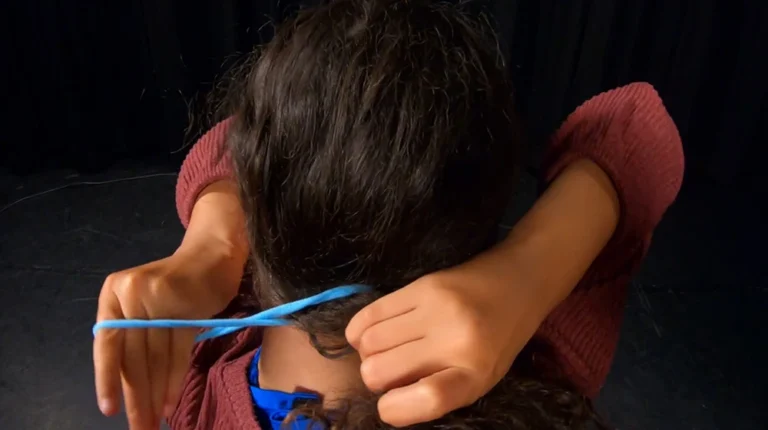
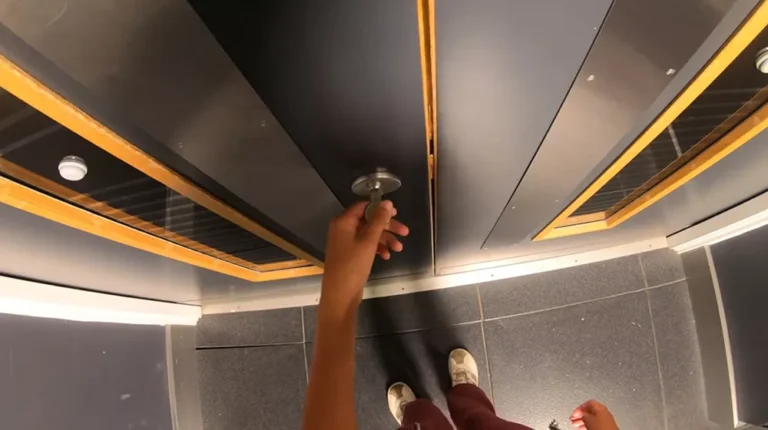
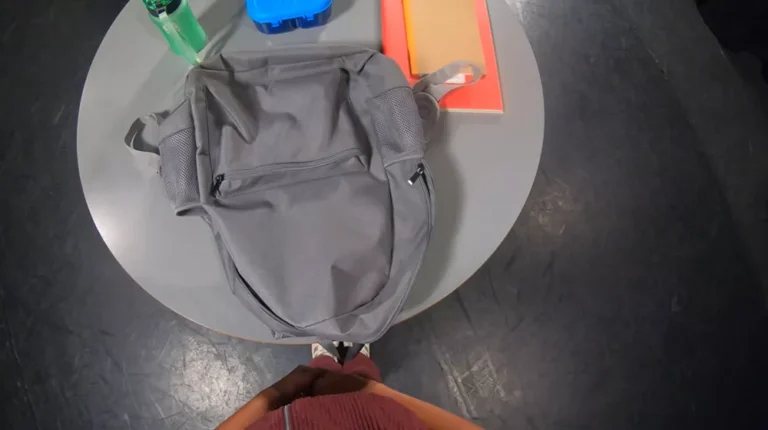
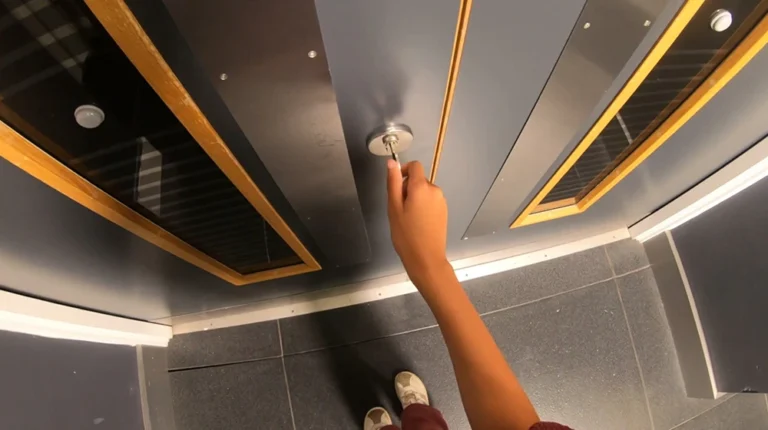
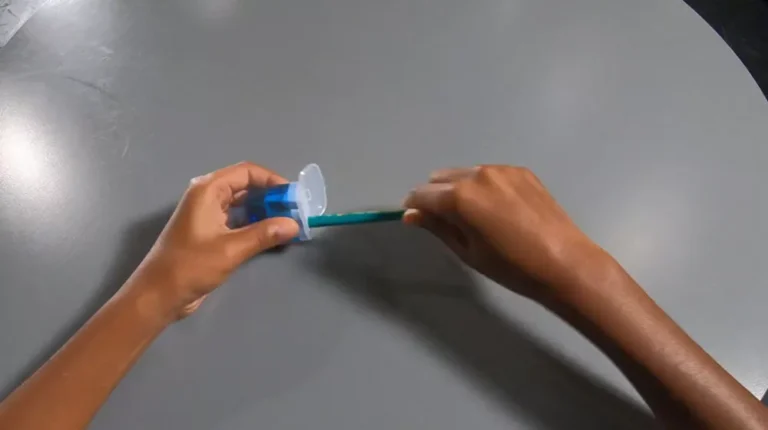
All the demonstrations are performed by typically developing children and are recorded from a first-person viewpoint. This means that the movements and viewpoints in the videos closely match what children see when doing these movements for themselves. There are also left- and right-handed versions of each video to allow dyspraxic children to match each video to their handedness.

How to use the video library
The video library was created to help dyspraxic children learn everyday movement skills, but it is free to use for anyone who might find the videos helpful.
To use the library, search the thumbnail images above to see the different movement skills videos available. Click the image to access the videos, then select either the right-handed or left-handed option.
When the videos play, watch the movements carefully and pay attention to how the person in the video moves. Then have a go at practicing the skill yourself, trying to copy the movement shown in the video. You can re-watch the videos and practice the skills as often as you need.
As well as watching the movements, you might find it helpful to imagine that you are the person in the video and to imagine the feeling of doing each movement as you watch it. We also encourage you to hold the objects shown in the videos as you watch them where possible.
Feedback is important for our project. Contact us here
This website is a collaboration between: